Understanding Retrognathia: Symptoms, Causes, and Treatment Options
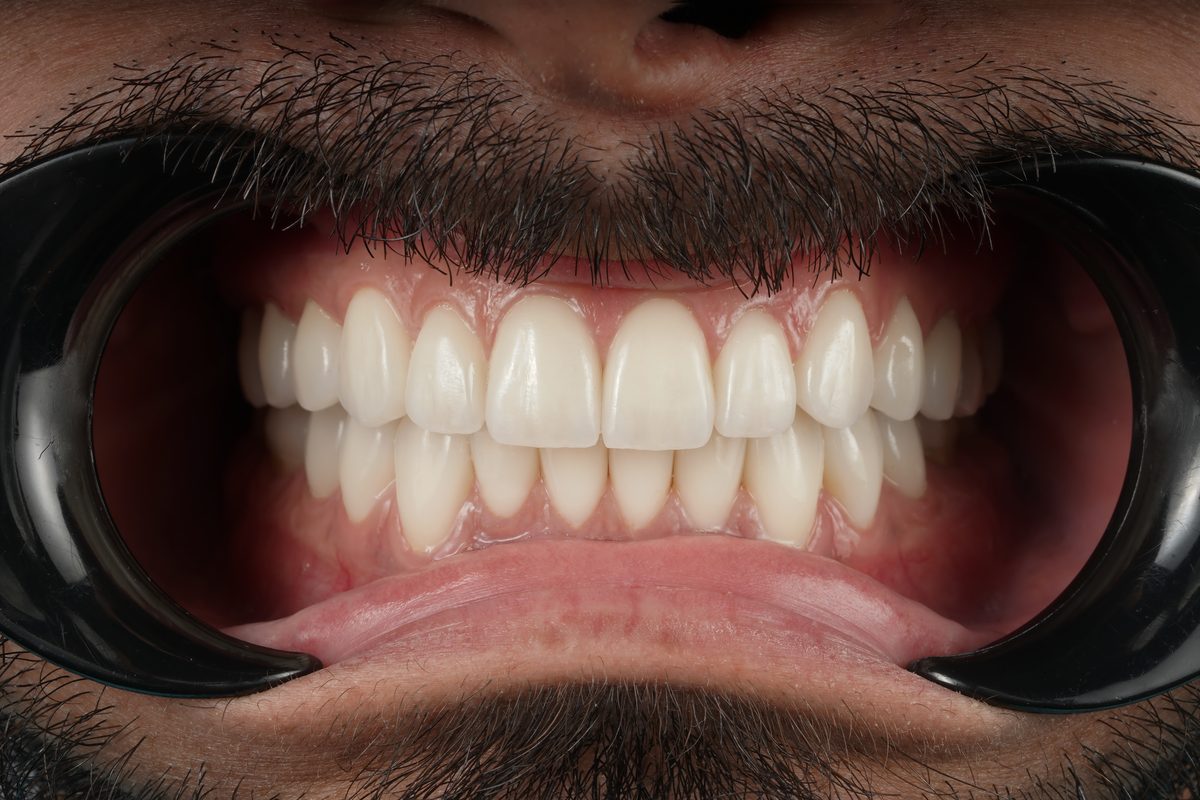
Retrognathia is a condition where the lower jaw is set back. Learn about symptoms, causes, diagnosis, and treatment options at aiHealth Medical Center in Sharjah.
Retrognathia is a condition where the lower jaw is set back, leading to a receding chin and potential issues with facial structure and dental alignment. If you re experiencing difficulty breathing, speaking, or chewing, or if your face appears disproportionately shaped, you may be dealing with retrognathia. At aiHealth Medical Center in Sharjah, we offer a range of dental and orthodontic services to help manage and treat this condition. Understanding retrognathia is the first step toward finding the right care for you. Overview of Retrognathia Retrognathia is a type of jaw misalignment where the lower jaw (mandible) is positioned further back than normal. This condition can affect both children and adults and is often linked to genetic factors or developmental issues. It is also known as a retrusive jaw or a receding chin. Retrognathia can lead to malocclusion, which is an improper alignment of the teeth when the jaws close. This misalignment can cause a range of issues, from cosmetic concerns to functional problems like difficulty chewing or breathing. Retrognathia is not a condition that can be ignored. It can lead to complications such as sleep apnea, speech difficulties, and even chronic pain in the jaw or neck. If you suspect you or your child may have retrognathia, it s important to consult with a dental professional who can assess the condition and recommend appropriate treatment options. Symptoms and Causes of Retrognathia The symptoms of retrognathia can vary depending on the severity of the condition. Common signs include a receding chin, a narrow face, and a prominent upper jaw. Patients may also experience difficulty in breathing through the nose, especially during sleep, due to the restricted airway. In some cases, retrognathia can lead to a misaligned bite, making it difficult to chew or speak properly. The causes of retrognathia are often multifactorial. Genetic factors play a significant role, as the condition can be inherited. In some cases, retrognathia is present at birth and is referred to as a congenital condition. Other causes may include developmental issues during childhood, such as delayed growth or trauma to the jaw. Additionally, certain medical conditions, such as Down syndrome, can be associated with retrognathia. It s important to note that retrognathia is not always a result of poor dental hygiene or lifestyle choices. It is a…
Read more from the aiHealth Medical Center clinical team on the dental health blog, or book an appointment.