Why Teamwork Dentistry Gives You a Better Outcome
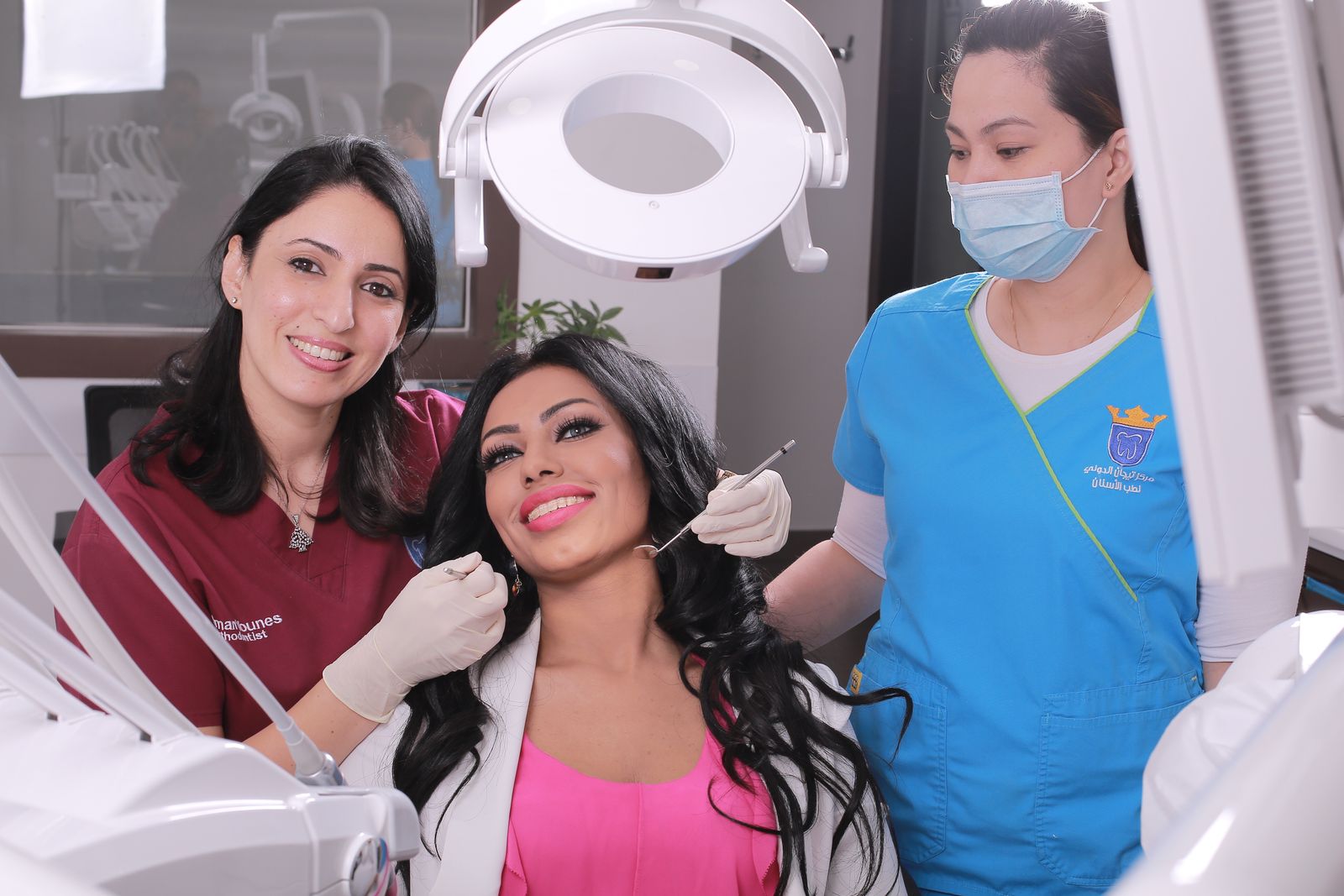
A single-handed dentist can do a lot. A coordinated team does more. Here is how we actually plan a complex case across surgeon, restorer and hygienist.
A 47-year-old patient came to us last quarter with a failing upper bridge, untreated 6 mm periodontal pockets on her lower molars, and a long-standing complaint that her bite did not feel right. She had been quoted, by three different clinics, three completely different treatment plans. None of them spoke to one another. None of them addressed the gums first.
She did not need a fourth opinion. She needed a team.
What teamwork dentistry actually means
It does not mean a marketing photo of dentists standing in a row. It means that before a single bur touches a tooth, three or four clinicians have sat in the same room with the same CBCT, the same probing chart and the same wax-up, and agreed who is doing what, in what order, and why.
For the patient above, the plan looked like this:
- Phase 1 — periodontal stabilisation with our periodontist. Non-surgical instrumentation, oral hygiene calibration, six-week re-evaluation
- Phase 2 — endodontic assessment of two compromised abutment teeth, with a specialist endodontist
- Phase 3 — implant planning on the upper for the two unrestorable teeth, including a small lateral window sinus graft
- Phase 4 — prosthetic design with the restoring dentist, mounted models, occlusal analysis
- Phase 5 — provisional restorations, then final ceramics, then a night guard
Each phase had a clinician responsible, a target date, and a re-assessment point. Nothing was decided by one person in isolation.
Why sequencing matters more than skill
I have watched beautifully made crowns fail in 18 months because the gums underneath were never treated. I have watched implants integrate perfectly and then become peri-implantitis cases because the patient was never enrolled in maintenance. The technical execution was fine. The sequencing was wrong.
The literature backs this. The ITI Consensus Conference papers on implant treatment planning, and the work of Lang and Lindhe in their Clinical Periodontology and Implant Dentistry textbook, consistently emphasise that periodontal stability before any prosthetic work is non-negotiable. We follow that order because the evidence says it works.
What the patient experiences
From the patient's side, teamwork dentistry feels different in three ways.
First, the consultation is longer. We block 45 to 60 minutes for a complex case. The patient meets at least two clinicians on day one and leaves with a written, costed, phased plan — not a single number on a quote.
Second, the cost is presented per phase, not as one frightening total. A full-mouth rehabilitation in Sharjah typically runs AED 25,000 to AED 90,000 depending on the number of implants, grafts and ceramic units. Patients deserve to see how that breaks down, what insurance might cover, and where they can decide to pause.
Third, the patient has one point of contact — me, in most cases, as the dentist-in-charge of the journey. They do not have to repeat their story to a different receptionist every visit.
Where insurance fits
Daman Enhanced and most Thiqa plans will cover the periodontal phase and most restorative work, with pre-authorisation for crowns and root canal treatments. Implants are usually excluded or require a separate medical letter. The cosmetic phase — veneers, whitening, smile redesign — is patient-funded. We do all the pre-authorisation paperwork before the patient pays anything, so the gap between estimate and reality is small.
What I look for when assembling a case team
For every complex plan I want, in the room or on the call:
- The restoring dentist who will own the final outcome
- The surgeon — for implants, third molars, or any soft tissue work
- The hygienist who will see the patient on recall for the next decade
- The lab technician for any case with more than three ceramic units
The technician is the one people forget. A great ceramist can recover a marginal preparation. A poor one cannot save a perfect one. We work with two labs we trust and we send them photographs, not just impressions. More on our team and how we work together is on our services page.
The honest version
Teamwork dentistry takes more chair time at the start. It is harder to schedule. It costs the clinic more per consultation hour. We do it anyway, because the results last longer and the patients come back less for repairs. That is the entire argument. Less repair work, more durable outcomes, fewer surprises.
 About the authorDr. Hajir Abdullah Al-KhazrajiGeneral Dentist · aiHealth Medical Center · Sharjah, UAEPediatric DentistryGeneral DentistryPreventive CarePatient-Journey CoordinationView profile →
If your case has been planned in pieces by different clinicians, Book a consultation at aiHealth Medical Center in Sharjah.
Read more articles on the dental health blog, or book an appointment.