Porcelain Veneers: Why Planning Beats Polishing

A veneer case that fails was usually planned badly, not bonded badly. Here is the diagnostic sequence I follow before any tooth is touched.
A 38-year-old patient walked in last March with eight upper veneers placed two years ago in another country. Four were debonded. Two had margin staining a millimetre below the gum line. The shade was right. The shape was wrong. Her bite had never been analysed before the veneers were cut.
This is what failed veneer cases look like. The lab was not the problem. The plan was the problem.
What I diagnose before I touch a bur
For every veneer case I want, on file, before any tooth is prepared:
- Full periodontal probing — no veneers on a patient with 4 mm bleeding pockets
- A bite analysis: canine guidance vs group function, interferences in protrusion, signs of bruxism on the cuspids and incisal edges
- Photographs with retractors and contrast, plus a smile-line video
- A diagnostic wax-up on mounted models, or a digital mock-up
- A trial smile bonded directly in the mouth with a bis-acrylic shell, so the patient sees the shape before we cut anything
If a patient is not willing to come back twice before the first injection, I will not start the case. Veneers are not a same-day decision.
The minimal-prep question, honestly
Magne and Belser's work, published in their Bonded Porcelain Restorations textbook, established the case for additive, enamel-bonded veneers. Bonding to enamel is predictable for decades. Bonding to dentine is not. So my preparation target is 0.3 to 0.7 mm of facial reduction, finishing in enamel wherever possible, with chamfer margins kept supragingival or just at the gingival crest.
True no-prep veneers exist, but the indication is narrow. Most patients have teeth that already sit slightly forward of where the final smile should be — meaning we need controlled reduction, not addition, to get the contour right.
Material choice
For most aesthetic cases I work with feldspathic porcelain or lithium disilicate (e.max) at 0.5 to 0.8 mm thickness. e.max gives me strength when bruxism is in the picture; feldspathic gives me optical depth when we are matching one veneer to seven untouched teeth. The cement is light-cure resin with a silane-treated intaglio, etched with hydrofluoric acid 9% for 20 seconds — that part has been standard since the early Magne protocols and there is no shortcut.
Cost reality in the UAE
Across Sharjah and Dubai, a single porcelain veneer ranges from AED 1,800 to AED 3,500 depending on material, lab and whether a digital workflow is used. A full ten-unit upper smile is rarely under AED 22,000 done properly. Daman and most local insurers do not cover veneers — they are categorised as cosmetic. We see a clear seasonal pattern: bookings rise sharply after Ramadan and again in late October before the wedding season. If you want photos by a specific event, the plan needs to start at least eight weeks earlier.
Where I see veneers go wrong
Three failure patterns, in my experience:
First, gingival inflammation that was never resolved before prep. The margin sits in inflamed tissue, the impression is inaccurate, and the cervical fit is poor from day one. Always treat the gums first, then prepare.
Second, occlusion that was not equilibrated. A veneer is a thin shell of porcelain. If the patient grinds, you have built a chipping problem. A protective night guard at AED 600 to AED 1,200 is part of the case, not an add-on.
Third, shade chosen under clinic lighting only. I take patients to natural daylight at the window before approving the final shade with the technician. Skin tone, lip shape, and gingival display all shift the perception of value and chroma. You can see examples from our planned cases under finished work.
What I tell every patient on the first visit
Veneers are not reversible. Anyone who tells you otherwise is selling you something. Done well, by a planning-led team like the one I work with at aiHealth, they last 12 to 20 years before any replacement. Done badly, they last two.
I would rather see a patient three times for planning and once for cementation than the reverse. The polishing at the end is the easy part. The thinking at the beginning is the case.
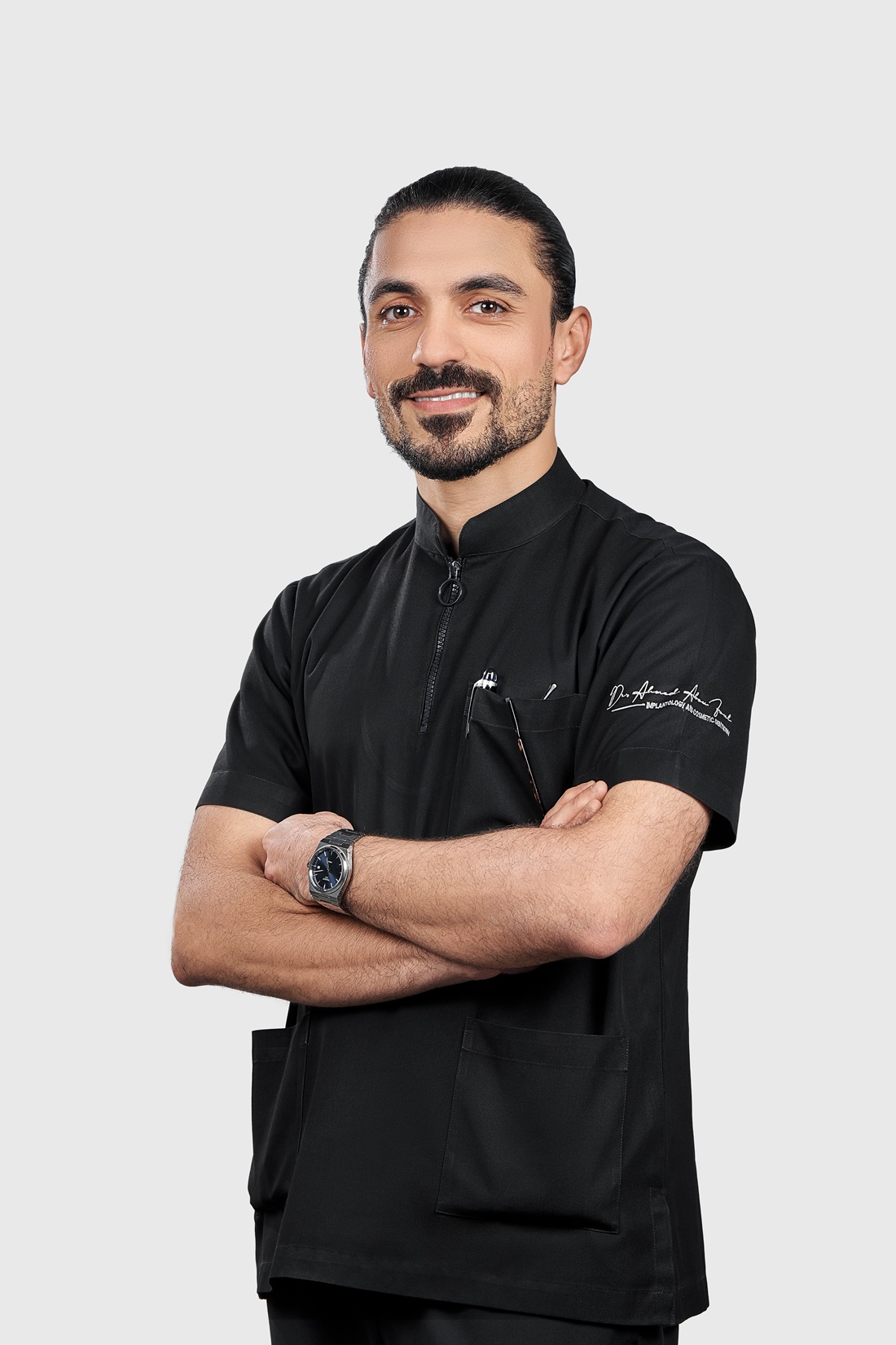 About the authorDr. Ahmed Abou FoulSpecialist Periodontist · 10 years · aiHealth Medical Center · Sharjah, UAEImplantologyPeriodonticsCosmetic DentistryProsthodonticsOral SurgeryView profile →
If you are considering veneers and want a proper diagnostic plan before any tooth is touched, Book a consultation at aiHealth Medical Center in Sharjah.
Read more articles on the dental health blog, or book an appointment.