Periodontal Disease: The Hidden Driver of Tooth Loss in Adults
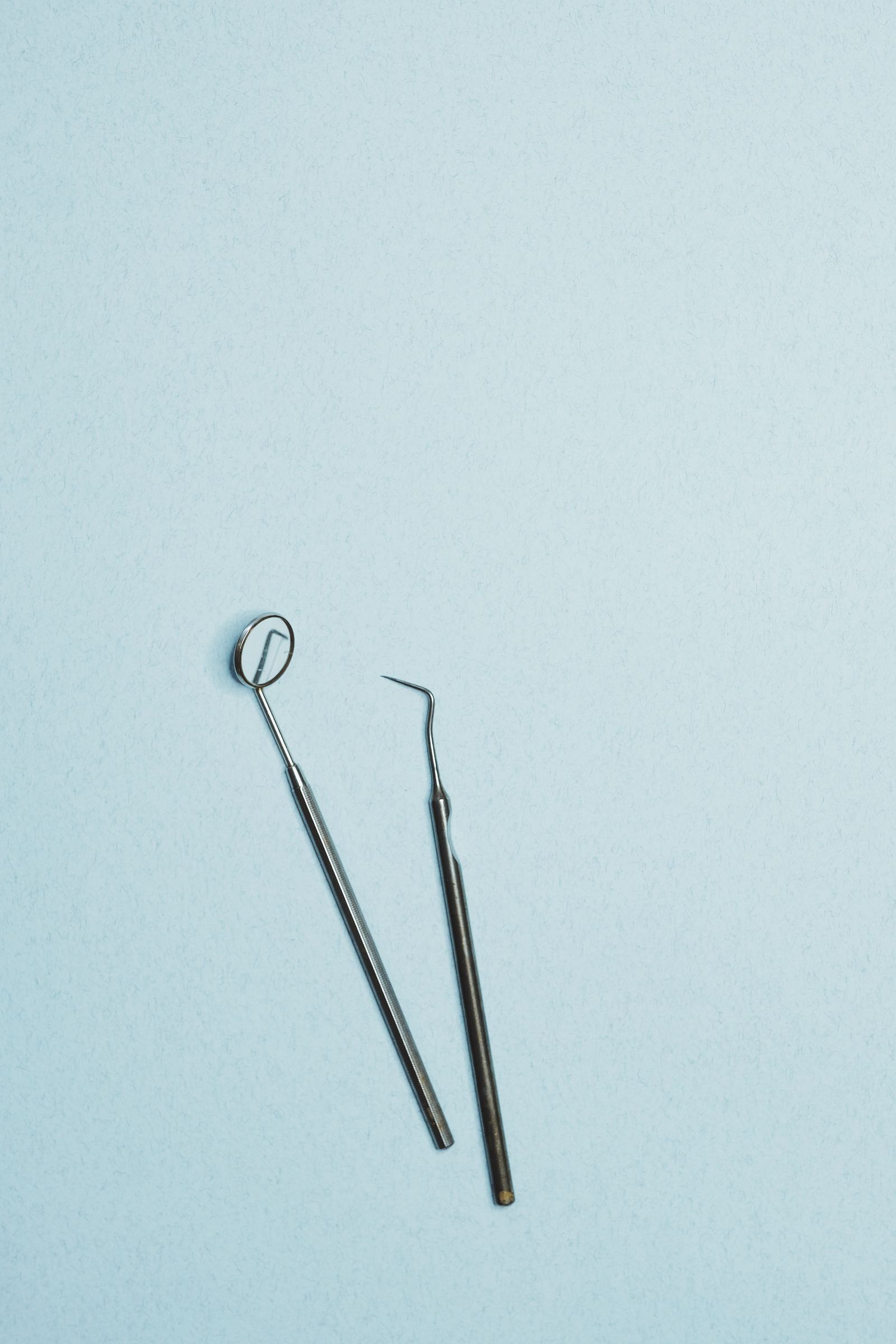
Probing depths above 4 mm with bleeding on probing at three or more sites is the reading that turns a hygiene visit into a treatment plan. Here is what I do next.
Probing depths above 4 mm with bleeding on probing at three or more sites — that is the reading that turns a hygiene visit into a treatment plan. Patients usually do not feel it. Their teeth do not move. They have never seen blood on the brush. And yet the bone is going.
This is what makes periodontitis the leading cause of adult tooth loss in the UAE and globally. It is silent for years, and by the time a tooth becomes mobile, we are talking about extraction and replacement, not preservation.
What I actually measure at the first visit
A real periodontal exam is not a glance. For every tooth I record six probing depths in millimetres, bleeding on probing as a binary yes or no, recession from the cementoenamel junction, mobility on a 0 to 3 scale, and furcation involvement in molars. Twenty-eight teeth, six sites each — that is 168 readings before I even open the imaging.
Then a full-mouth set of bitewings and periapicals, and when furcations or vertical defects look suspicious on the 2D film, a Newtom CBCT. I want to see the bone before I write a stage and grade.
The 2018 classification, in plain language
The current global staging system — the one published from the World Workshop on the Classification of Periodontal Diseases in 2018 in the Journal of Clinical Periodontology — sorts patients into Stage I to IV by severity and Grade A to C by rate of progression. A 35-year-old with 5 mm of attachment loss and bleeding everywhere is Grade C until proven otherwise. That patient is losing bone faster than their immune system can defend.
The Lancet 2019 periodontal disease series put the prevalence of severe periodontitis worldwide at around 11%. In a Sharjah population with high rates of type 2 diabetes and smoking, my clinical impression is that the number is higher, not lower.
What treatment looks like, week by week
For most Stage II and III patients I sequence the care like this:
- Week 1: full disclosure, plaque score, oral hygiene calibration with modified Bass technique and interdental brushes sized per site
- Weeks 2 to 4: non-surgical root surface debridement quadrant by quadrant under local anaesthetic — articaine 4% with epinephrine 1:100,000, ultrasonic with PEEK tips on implants and standard tips on teeth, hand instruments to finish
- Week 12: re-evaluation. New six-point probing. The sites that still bleed at 5 mm or more are the sites I consider for periodontal surgery
Why I do not jump to surgery
The Cochrane review on subgingival instrumentation showed that meticulous non-surgical therapy resolves a large proportion of pockets, particularly in the 4 to 6 mm range. Surgery is reserved for residual deep pockets, infrabony defects that may benefit from regeneration with enamel matrix derivative or bone substitutes, and aesthetic recession cases. I would rather under-treat surgically and over-treat hygiene than the reverse.
Cost and coverage in Sharjah
A staged non-surgical course at our clinic runs AED 1,800 to AED 3,500 depending on quadrants and number of visits. Daman Enhanced and some Thiqa plans cover scaling and root planing as a medical necessity when the chart supports it — meaning you need real probing numbers on file, not just a hygiene code. We document everything because the insurer will ask.
If you have an implant in your mouth and bleed around it, please do not ignore it. Renvert and Persson's work on peri-implantitis, published across the 2010s, is clear: untreated peri-implant disease destroys bone faster than periodontitis around a natural tooth. We treat implants on a separate recall calendar, which you can read about under our periodontal services.
What I want every patient to leave with
One: your own probing chart, printed. Two: an interdental brush of the correct size for each space, not a one-size pack from the supermarket. Three: a recall interval that matches your risk — three months for active Stage III, four months for stable Grade B, six months only for low-risk maintenance.
I write the plan personally for complex cases and review every recall chart that crosses my desk. If you want to know whether you are on the wrong side of that 4 mm line, come and have it measured.
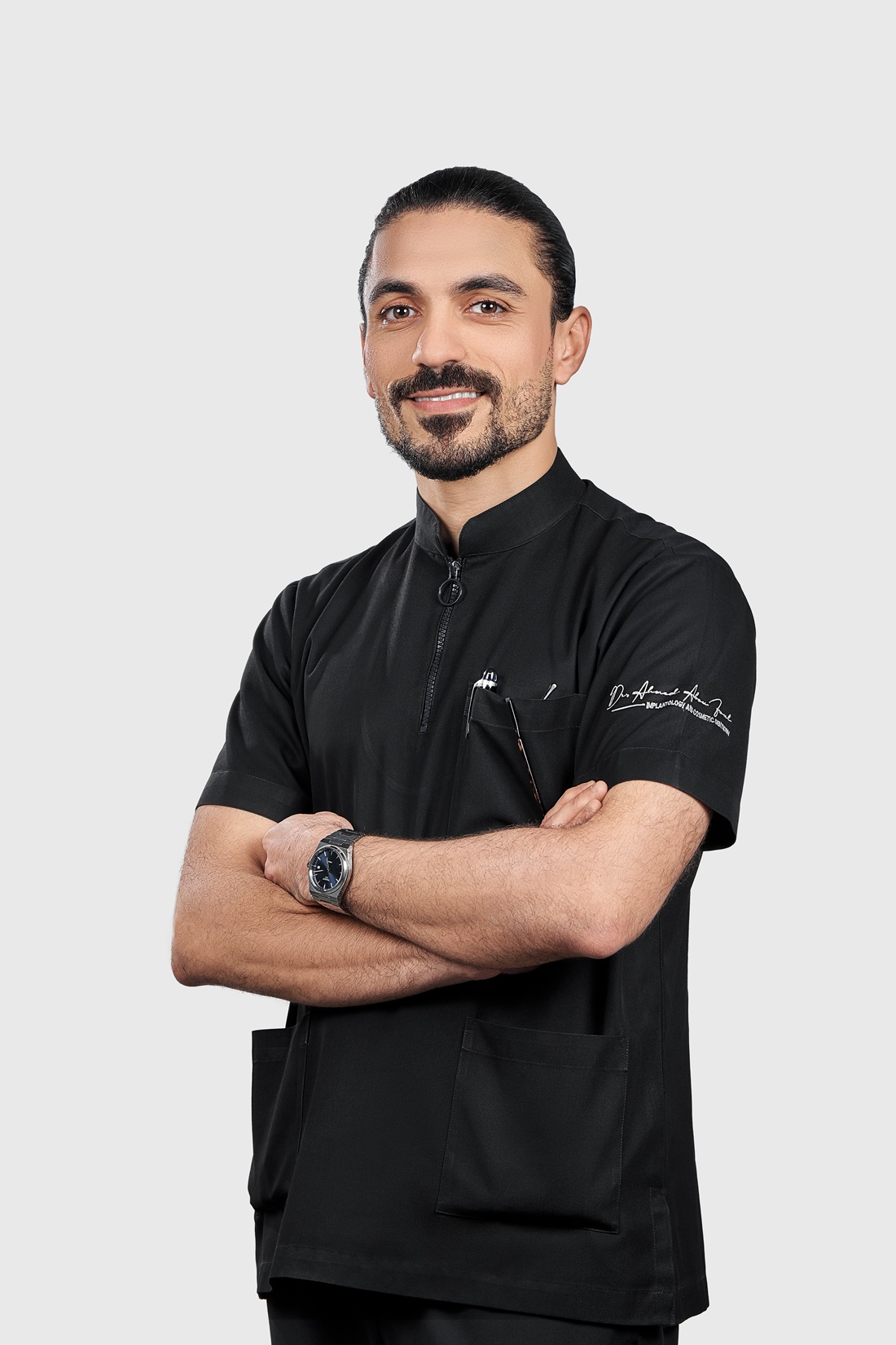 About the authorDr. Ahmed Abou FoulSpecialist Periodontist · 10 years · aiHealth Medical Center · Sharjah, UAEImplantologyPeriodonticsCosmetic DentistryProsthodonticsOral SurgeryView profile →
If your gums bleed when you brush and no one has shown you a probing chart, Book a consultation at aiHealth Medical Center in Sharjah.
Read more articles on the dental health blog, or book an appointment.