Diet, Sugar and Cavities: What the Evidence Actually Shows
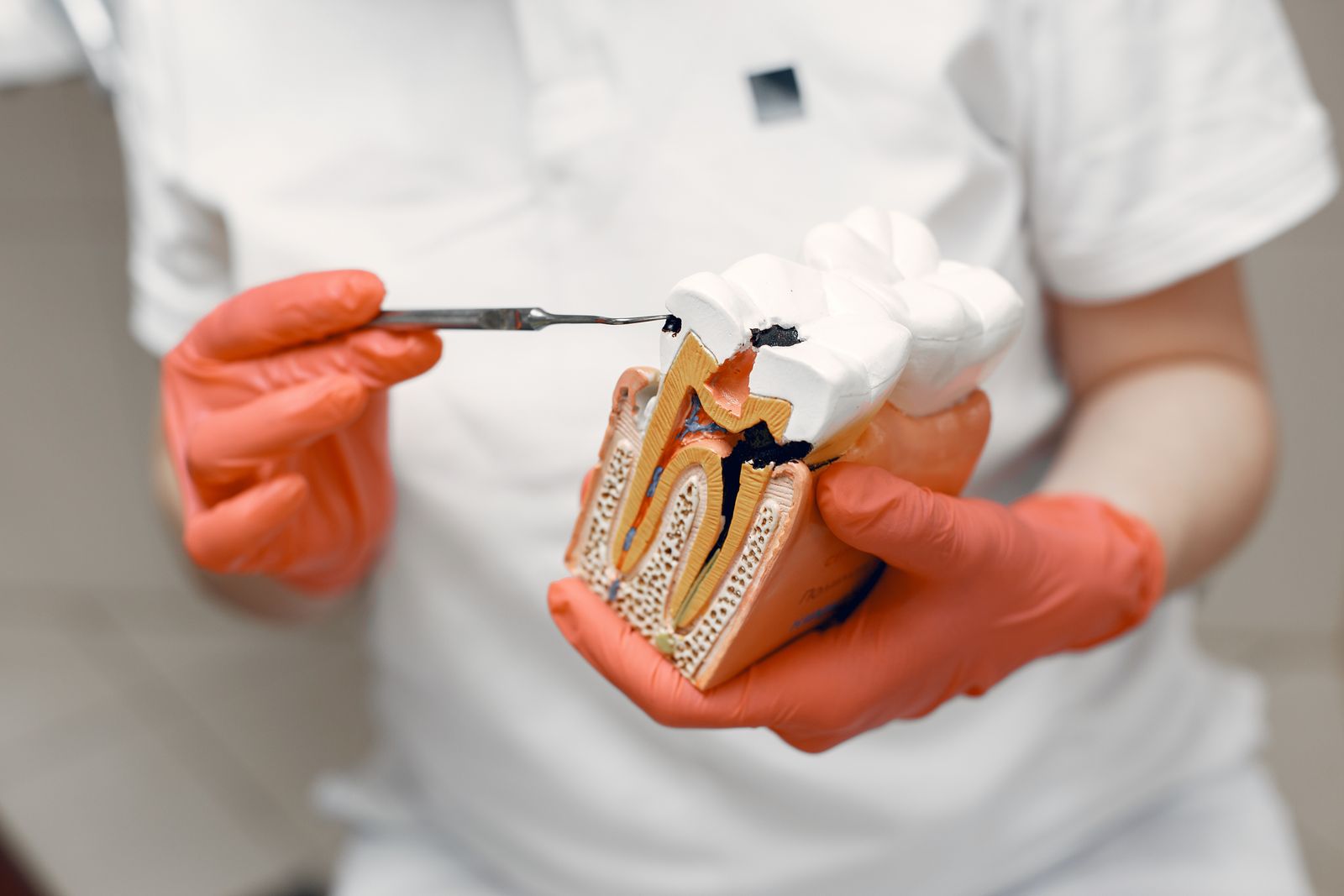
It is not how much sugar you eat. It is how often, in what form, and what comes with it. Here is what the cariology evidence actually says.
Two patients with identical-looking diets came through my chair in the same week. Both drank a 330 ml can of cola each day. One had no new cavities in five years. The other had four interproximal lesions on the lower posterior teeth. The difference was not the sugar volume. It was when, and how, they drank it.
The first patient drank her cola with lunch, finished in ten minutes, then brushed two hours later. The second sipped the same can across three hours at his desk, all afternoon. Same sugar load. Completely different acid exposure.
How cavities actually form
Cavities — dental caries — are not caused by sugar directly. They are caused by acid produced when oral bacteria, principally Streptococcus mutans and Lactobacillus species, ferment fermentable carbohydrates. Below a critical pH of around 5.5, the enamel begins to lose mineral. Above that pH, saliva works to remineralise it. A tooth is in constant flux between demineralisation and remineralisation, every day, all day.
The Vipeholm studies in 1950s Sweden — still cited in cariology textbooks — showed conclusively that the frequency of sugar intake mattered more than the total quantity. The Cochrane review on dietary sugars and caries, published in 2020, reached the same conclusion. Each separate sugar exposure triggers a pH drop that takes 20 to 40 minutes to recover.
What that means for what you eat
Five separate sugar exposures across a day will damage teeth more than one larger sugar exposure at a single sitting. So:
- Dessert after a meal is less harmful than the same dessert grazed across an afternoon
- Sugar in coffee sipped over an hour is worse than the same sugar in coffee drunk in ten minutes
- Children who graze on biscuits between meals have a higher caries risk than children who eat the same biscuits as a single after-school snack
- Sticky sugars — toffees, dried fruit, dates pressed in date pastes — hold sugar against the tooth far longer than liquid sugars that wash away
The hidden-sugar problem
The patients I see with the most surprising new cavities are usually not the ones eating sweets. They are eating things they did not realise were sugary.
Common hidden-sugar items in Sharjah patient diets:
- Flavoured yoghurts marketed as healthy — often 12 to 18 g of sugar per pot
- Fruit juices, including freshly squeezed, which deliver a concentrated acid and sugar dose
- Karak chai with two or three spoons of sugar, drunk multiple times per day
- Date pastes and pressed dates between meals, which are excellent foods but glue sugar to the teeth
- Sports drinks and electrolyte drinks, which combine sugar with low pH
What protects the tooth
Three things, with reasonable evidence behind each:
First, fluoride. A 1,450 ppm fluoride toothpaste used twice daily is the single most evidence-based caries-prevention measure for adults. The Cochrane review on topical fluoride in adults is consistent on this. Spit, do not rinse.
Second, saliva. Saliva neutralises acid and provides minerals for remineralisation. Patients with reduced salivary flow — from medications, radiotherapy, or systemic disease — have dramatically higher caries risk and need a different protocol. If you have a dry mouth, please tell us.
Third, time. Allowing 30 to 40 minutes between sugar or acid exposures lets saliva neutralise the pH and start remineralisation. The single most useful change most patients can make is not eating less sugar — it is grouping their sugar into fewer, well-defined exposures.
What does not protect the tooth
Rinsing with water is helpful, but it is not a substitute for brushing. Sugar-free chewing gum with xylitol stimulates saliva and is genuinely useful between meals, particularly the gum brands that list xylitol as the first sweetener. Mouthwashes containing alcohol can dry the mouth — I prefer alcohol-free formulations for routine use.
And brushing immediately after acidic foods or drinks is actively harmful. Citrus, vinegar dressings, sparkling water and energy drinks soften the enamel surface for about half an hour. Brushing during that window abrades the softened layer. Wait 30 minutes, or rinse with water first.
Where Ramadan fits in
Patients often ask me whether fasting protects teeth. The fast itself does, because there are no eating exposures during the day. But iftar and suhoor are often the highest-sugar meals of the year — dates, qatayef, juices, sweet tea. I see a measurable rise in new cavities in patients who do not adjust their hygiene routine during Ramadan. Two brushes after iftar and suhoor, with fluoride toothpaste, makes the difference. You can read more about prevention pathways on our services page.
The good news is that early caries lesions — white-spot demineralisations — can be remineralised before they become cavities, if we catch them. That is what hygiene visits are for, and what I do every week.
SOAbout the authorDr. Sara OdehGeneral Dentist · aiHealth Medical Center · Sharjah, UAEGeneral DentistryHygiene & PreventionPatient EducationView profile →If you have been told you keep getting new cavities and you do not know why, Book a consultation at aiHealth Medical Center in Sharjah.
Read more articles on the dental health blog, or book an appointment.