Brushing the Right Way: Building Lifelong Hygiene
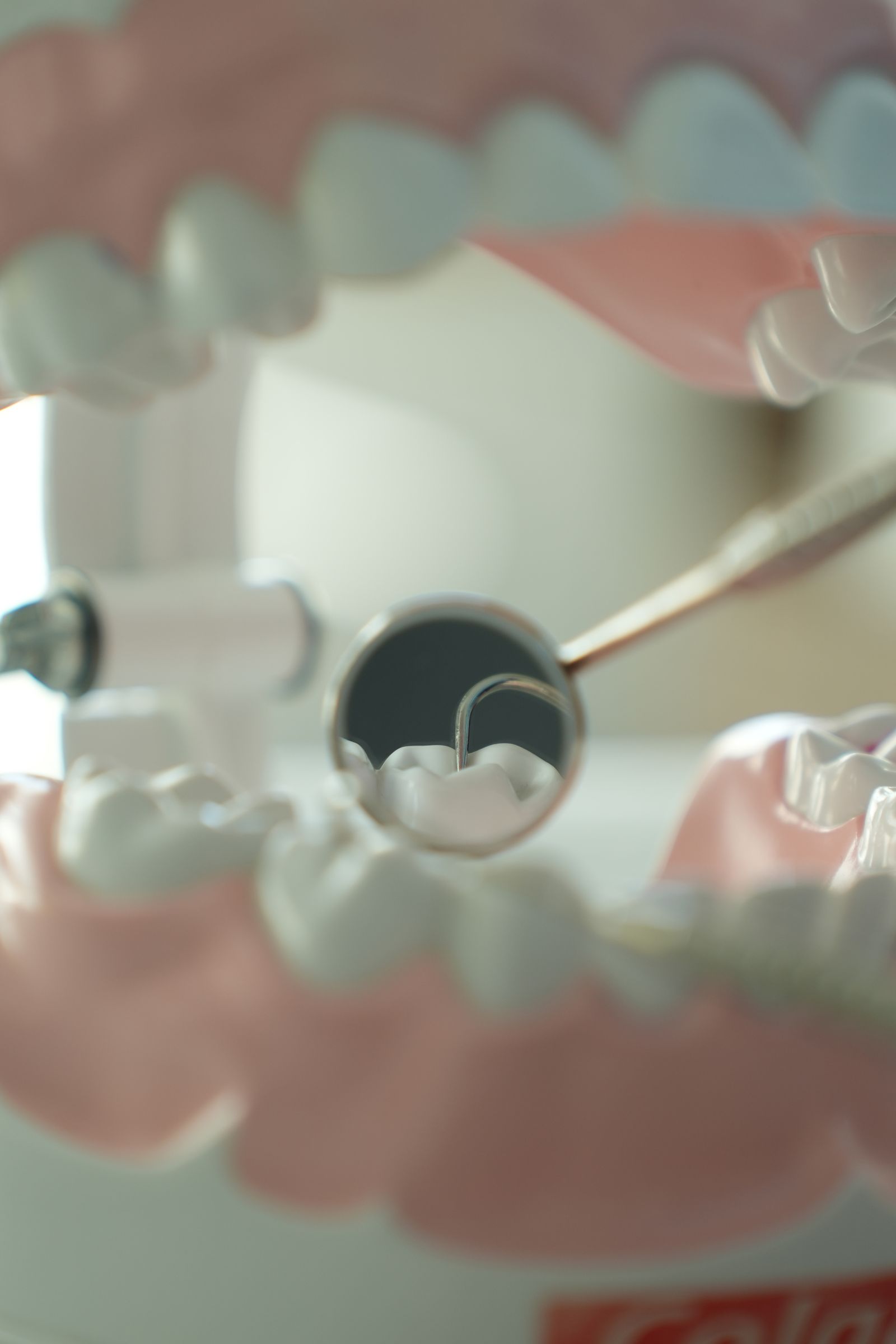
Most people are brushing for too long with too much pressure, in the wrong technique. Here is the method I teach in chair, with the science behind it.
A 28-year-old patient sat in my chair last week, brushing twice a day for three minutes, with a hard-bristled brush and a heavy hand. She also had 2 mm of gum recession on her upper canines, abrasion notches on three premolars, and bleeding on probing at six sites. She was brushing more than most people I see, and her mouth was paying for it.
Brushing is not a quantity problem. It is a technique problem.
The technique I actually teach
The modified Bass technique. Brush head angled at 45 degrees to the gum line, soft bristles, small vibratory movements followed by a sweep towards the biting surface. Two minutes total, divided into four quadrants of 30 seconds each. Light pressure — a Cochrane systematic review on toothbrushing methods, updated in 2014, found no clinical advantage to harder pressure, and consistent evidence of soft-tissue damage from over-brushing.
If you can hear the bristles scrubbing, you are pressing too hard. The sound of correct brushing is almost silent.
Manual or electric — the honest answer
The Cochrane review on powered versus manual toothbrushes, most recently in 2014, found a small but consistent advantage for oscillating-rotating powered brushes in plaque reduction and gingivitis at three months. So I tell patients: a powered brush is helpful, but a powered brush used wrongly is no better than a manual brush used well.
What matters more than the brush:
- Soft or extra-soft bristles, replaced every 8 to 12 weeks or sooner if frayed
- A pea-sized amount of 1,450 ppm fluoride toothpaste for adults
- Spit, don't rinse — leaving the fluoride film on the teeth is the whole point
- Two minutes minimum, with all surfaces covered, including the lingual of the lower incisors and the buccal of the upper molars
What brushing does not do
Brushing cleans roughly 60% of tooth surfaces. The remaining 40% — the contact points between teeth — is reached only by floss or interdental brushes. The Cochrane review on interdental cleaning, published in 2019, showed that interdental brushes outperform floss for plaque reduction in patients with open embrasures, while floss remains the choice for tight contacts.
If you have never been sized for interdental brushes, you are guessing. Sizes range from 0.4 mm to 1.5 mm in the colour-coded TePe range, and most adults need at least two different sizes for different spaces. I fit them in chair at hygiene visits.
Common mistakes I see in Sharjah patients
The most common, in no order:
- Brushing immediately after coffee, citrus juice or vinegar-based dressings. Acid softens enamel temporarily — wait 30 minutes, or rinse with water first
- Using a hard brush because the gums feel firm and rough — they should not. Soft is correct
- Brushing aggressively at the gum line and missing the inner surfaces entirely
- Rinsing with water after brushing, which washes the fluoride straight out
- Sharing a toothbrush, particularly between siblings — please do not
What hygiene costs at our clinic
A standard hygiene visit at our clinic — examination, scaling, polishing, fluoride application — runs AED 350 to AED 600. Daman Basic and most Thiqa plans cover one to two hygiene visits per year. We document the periodontal chart at every visit so we can show whether things are stable, improving or worsening over time — which is more honest than a vague reassurance that things look fine.
Building the habit that lasts
I tell patients to anchor brushing to a habit they already have. Brush after the morning coffee — once the wait time has passed — not before, so the fluoride film sits undisturbed before breakfast. Brush again as the last thing before bed, after which only water passes the lips.
For children under seven, the parent does the brushing. The child can join in, but the parent finishes. Manual dexterity is not enough at that age, and we see the consequences in early childhood caries that could have been avoided.
When to come and have your technique checked
If you have any of the following, please come in for a hygiene visit and a technique calibration: bleeding when you brush, sensitivity at the necks of the teeth, visible recession, or a feeling that food gets stuck in the same place each meal. None of these are normal, and all of them are easier to fix early. Read more about hygiene and prevention on our services page.
I run hygiene-focused visits every week, and I personally walk every new patient through technique before any instrument touches the teeth. Come and have your brushing checked — it takes ten minutes and it saves teeth.
SOAbout the authorDr. Sara OdehGeneral Dentist · aiHealth Medical Center · Sharjah, UAEGeneral DentistryHygiene & PreventionPatient EducationView profile →If you have been brushing for years and your gums still bleed, Book a consultation at aiHealth Medical Center in Sharjah.
Read more articles on the dental health blog, or book an appointment.