Biomimetic dentistry: saving teeth the old protocols would have crowned
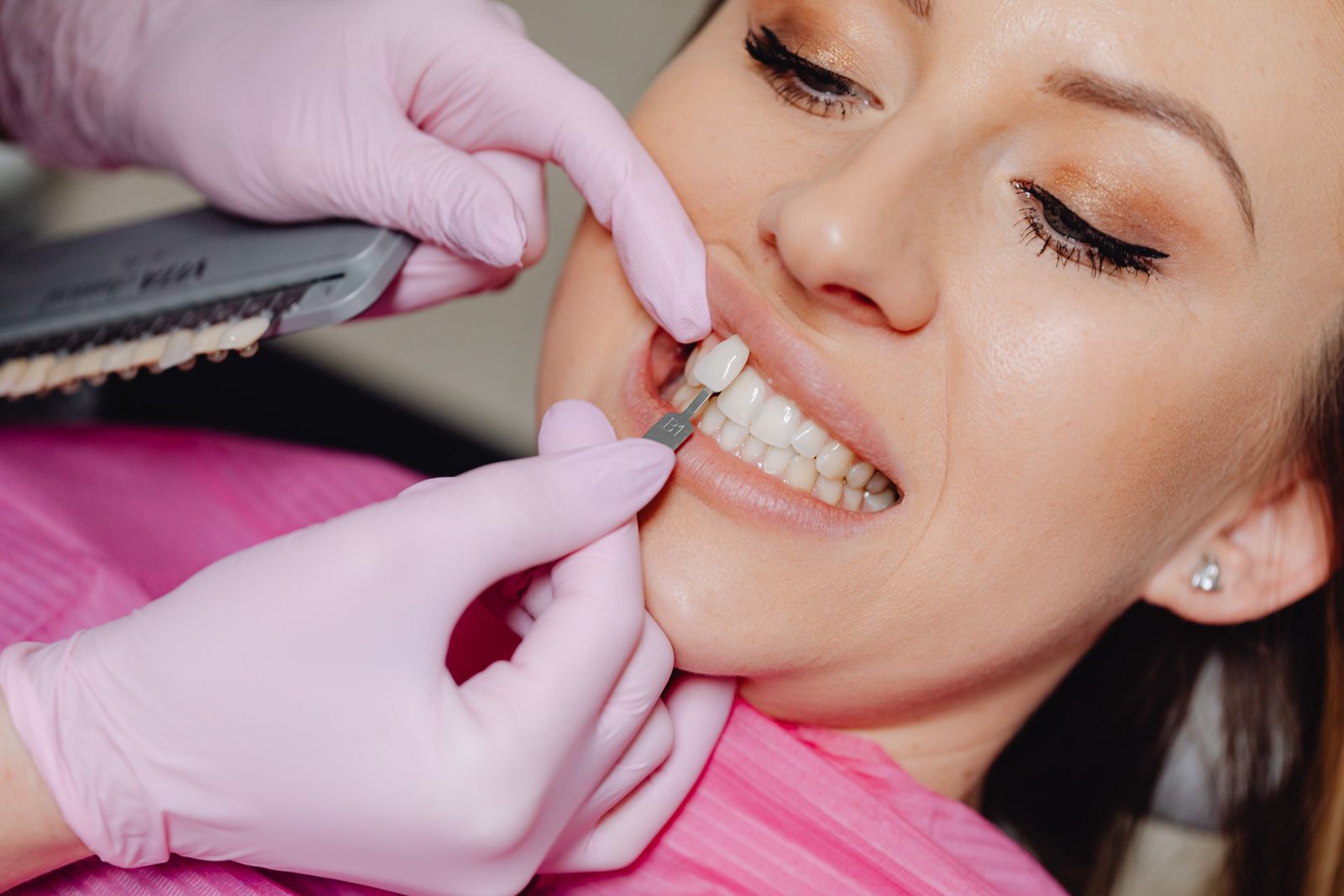
Biomimetic dentistry is a quiet revolution in restorative work — replicating the natural tooth instead of removing it. Here is how we use it at AIHMC.
A patient brings me a treatment plan from another clinic. Two upper molars with cracked old amalgams. Both have been quoted for crowns — AED 4,400 the pair after a build-up. He wants a second opinion before committing to grinding two healthy-looking teeth down to stumps. His teeth are not unsalvageable. They are exactly the kind of case biomimetic dentistry was designed for.
Biomimetic dentistry — sometimes called the "stress-reduced restorative protocol" — is the discipline of restoring damaged teeth in a way that mimics the natural tooth's biomechanical behaviour, using bonded ceramic and resin instead of mechanically retained crowns. It is quieter than implants on the marketing side, but for the right patient it preserves more tooth structure, more pulp vitality, and ultimately more money over a lifetime.
What biomimetic actually means at the chair
The philosophy was crystallised by Magne and Bazos in Bonded Porcelain Restorations (2002) and refined into a stepwise clinical protocol — selective enamel etching, immediate dentine sealing, decoupling layers, and stress-reducing fibre-reinforced bases. In practice, it means: when I open up a cracked tooth, I remove only the actual decay and the unsupported enamel, I leave every healthy dentine surface intact, and I rebuild what is missing with a bonded composite, fibre-reinforced core, and a CAD/CAM ceramic onlay — not a full-coverage crown. The bonded restoration distributes occlusal forces across the entire tooth instead of concentrating them at a crown margin, which is where most crowned teeth fracture decades later.
A bonded ceramic onlay restores function without removing the cusps, pulp, or biology that a full crown would have sacrificed.
Why it matters for the patient
A traditional crown preparation removes roughly 60 to 75% of the remaining coronal tooth structure. Once that is gone, it is gone. A biomimetic onlay typically removes 15 to 30%. The clinical difference is large: Magne's 12-year survival data on bonded ceramic restorations places them above 90%, with the failure mode usually being repairable composite chipping rather than catastrophic tooth fracture. Crowned teeth lose pulpal vitality at 10 to 15% over 10 years in the same studies. Bonded restorations keep teeth alive.
The protocol is also kinder to the patient mid-treatment. There is no temporary crown to fall off in Ramadan, no sensitivity from exposed dentine while the lab works, and no need to remove an old crown decades later because the margin has decayed under the cement line. The trade-off is chair time — a true biomimetic restoration takes 60 to 90 minutes per tooth, where a crown takes 30. We charge for the work, not the chair-time.
Which teeth this is the right answer for
A biomimetic onlay or overlay is the right answer when a posterior tooth has lost one to three cusps but still has at least 1.5 mm of ferrule and an intact pulp. It is the right answer when a previous amalgam or composite has fractured and the underlying tooth is structurally sound. It is not the right answer when the tooth is grossly broken below the gum line, when the pulp is necrotic, or when there is insufficient enamel for a reliable bond — those cases still need endodontic treatment and full-coverage protection. The judgement call is honest in either direction.
What this means for the patient with a cracked filling
Before you accept a crown, ask whether an onlay or overlay was considered, and if not, why. A bonded onlay in Sharjah typically costs AED 1,800 to AED 2,800 — comparable to a single crown, but with a fraction of the tooth removal. Daman and Thiqa dental annexes vary on coverage; ceramic onlays usually fall under the same category as crowns for reimbursement. If your tooth has been crowned previously and has now failed, biomimetic does not always rescue it — but for the tooth that has never been crowned, it almost always deserves the conversation.
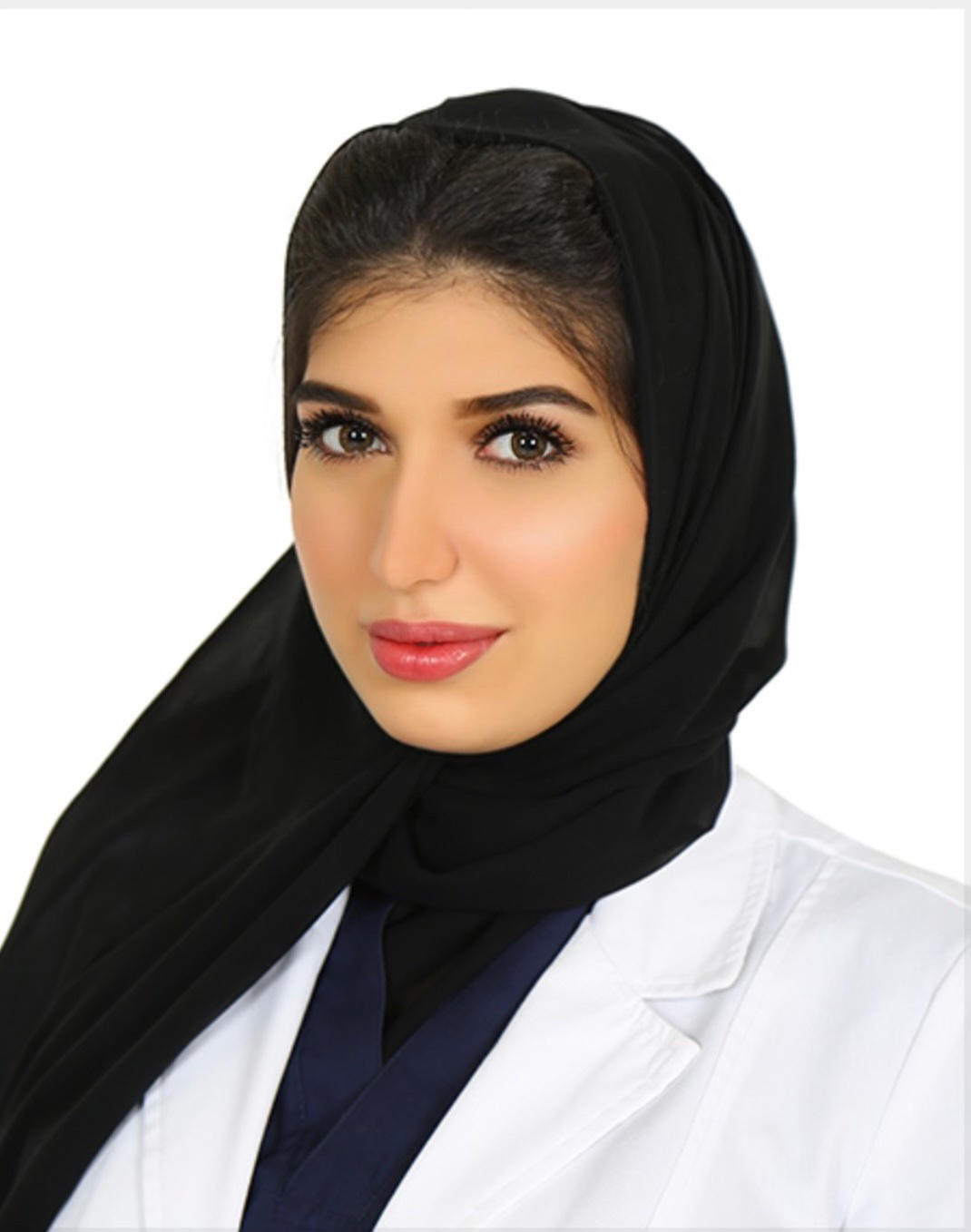
About the author
Dr Hajir Al-Khazraji
General Dentist & Dentist-in-Charge · aiHealth Medical Center
BiomimeticRestorativeOnlay / OverlayConservativeView profile →Read more articles on the dental health blog, or book an appointment.